
MAURITANIA
March 2025
‘From Sand to Sea’
3 MARCH
————————————————————————
…I board the plane to North African music and full seats, last time I flew Royal Air Maroc was a while ago, probably when I was still guiding in Africa. That was 3 months or so leading trekking trips in the Anti-Atlas Mountains, 2 week back-to-back trips, sleeping on Berber roof tops, stars overhead, the cold chill of the mountains nights biting into our sleeping bags. They were great days, real travel, something that we need to get back to and something that I hope this trip will bring back to the forefront…
Mauritania. Not quite sure how this came about to be honest... it suddenly just gained traction and now here I am. A short flight via Casablanca away. Tommy, Tommy was the protagonist, and his brother Rocco, who guided me in Ennedi, Tchad approximately 16 months ago. These guys are the desert guys, their lives spent walking the dunes, their personalities that have opened me up to this vast deserted region of North Africa. The dunes, the oceans, the nomadic lifestyle, the pace of life. Hidden communities dotted throughout the Sahel landscape, surviving off much more than you and I would realise. Camel trains transporting salt, was what stuck me in Ennedi, so we’ll see what Mauritania has to deliver. For me it’s the camel markets, the fishermen, the desert meeting the dunes that holds me transfixed. A world of wonder and awe, a barely talked of oasis waiting to be explored.
4 MARCH
————————————————————————
2hrs sleep doesn’t look good on me… We arrived into Nouakchott (love that name) at 0200hrs, having bounced through Casablanca on two 3hr flights…finally connecting into Mauritania. The visa queue is the usual slow-paced affair, but efficient to be honest…if you are at the front of the queue that is. A 20min drive brings us to Sunset Hotel, a modern block affair on the main strip but clean, comfortable, and it does a good African omelette at 0600hrs the next morning.
We set off in our 2x 4x4 Hilux convoy northwards back in the direction of the airport.
We are loaded for our expedition, tents, food, our support car, the works, everything we need for the next 10 days or so in the adventure to come. A sharp turn left takes us off the tarmac and onto dirt, soon becoming sand as ‘civilisation’ is left behind and the open track awaits. Hitting sand, we wind between low lying dunes, rutted sand tracks steering us through, a mind unto their own, as suddenly, we burst out from the foreboding sand banks on to the empty shores of the wild Atlantic coastline. A deep blue ocean stretches out in front of us, a watery forbidding foe to the dry deser dunes. We stop and pause for a minute to take in our surroundings, wide-eyed at the adventure to come, and then with a swift turn we head north tracing tracks in the sand with the ocean stretching to the horizon to the west and the desert dunes looming into the distance to the east.
Hours go by as we travel our beach road northwards, occasional pelicans take flight as we disturb their fishy slumber, fisherman go about their daily chores launching belle pirogues towards their watery catch, Rocco and Tommy drive us on, dodging dunes, recounting family affairs of their 80’s childhood days walking these shores and exploring these mainly hidden lands. A pause for lunch, a table laid out w fresh salads, Italian meats, nuts, and fresh mint tea.
We chat, we chill, we soak up the fresh sea air and chat travel tales and worldly fares. It’s an easy slumber so we push on before we fall prey.
To Noumghar, a surprise in our maritime journey. A small fishing village, or not so small as it turns out. One of the principal hubs for the fish trade along this coastline, with maybe 50 boats catering to a population of 500. Divided into the residential village and the drying ‘pens’ this is a highlight of the day. Netted pens form circles in the sand as the catch of the day dries on the city flat fence lines. We stop, we chat to the fisherman, some fixing nets, some just passing the time of day. We even get to try the local Botarga /Putarga - dried mullet fish eggs, pasty and dry, but I’m assured it’s good by our Italian hosts.
From here we push on into the Parc National D’Arguin, northwards, passing the village of Tikrit (?)…our first flamingos dot our way, their luminescent pink setting a powerful contrast against the desert dry that we’ve passed through for the last few hours. A golden jackal or two scurry off into the dunes, observing us from afar, shoulder looking, before disappearing over the desert dunes.
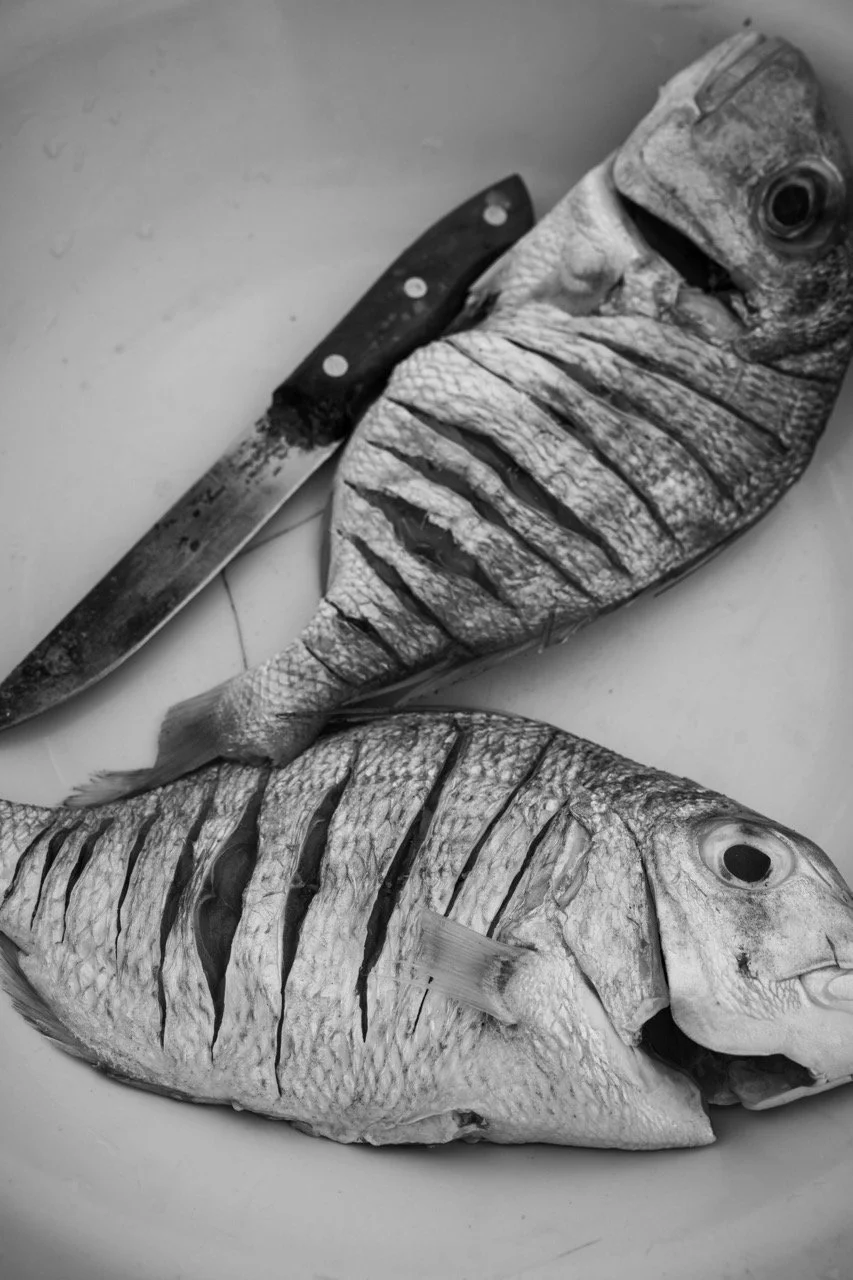
We hit Camp for the night. It’s basic this time out, after all this is just a recce, so dome tents and a mess tent make up our Camp for the night. Remarkably we find a cluster of dunes to shelter in amongst the desert plains of Reg, making for some protection against the winds whipped up off the plains. Adama and Abdul - our logistics team - spark up a fire for hot water, soup and grilled fresh fish bought from the village earlier that day.
It’s well needed after the first day of desert adventure. We chat for a bit, mull over the day, and soon retire to our tents for well needed rest. But not before I have to dig out the inside of my tent which since dinner had been slowly gathering sand thru the open 6inch mesh flap in the side of my tent usually for ventilation. So I drift off with thoughts of the desert in my mind and sand drifts in my bed…
5 MARCH
————————————————————————
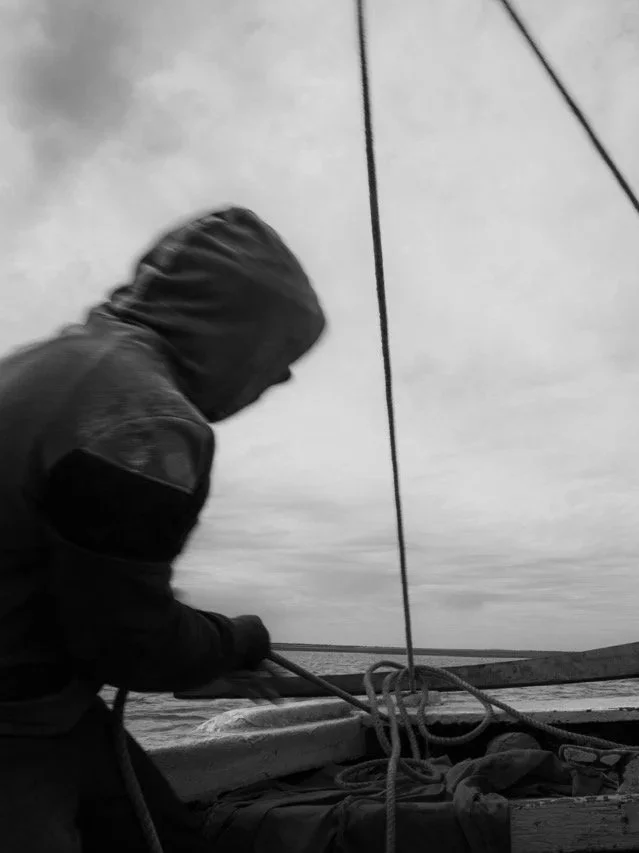
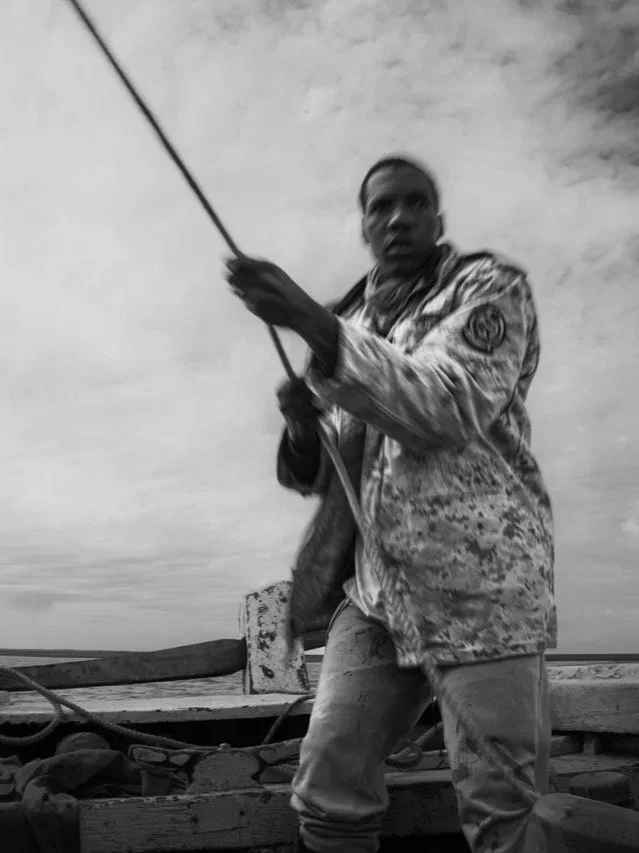
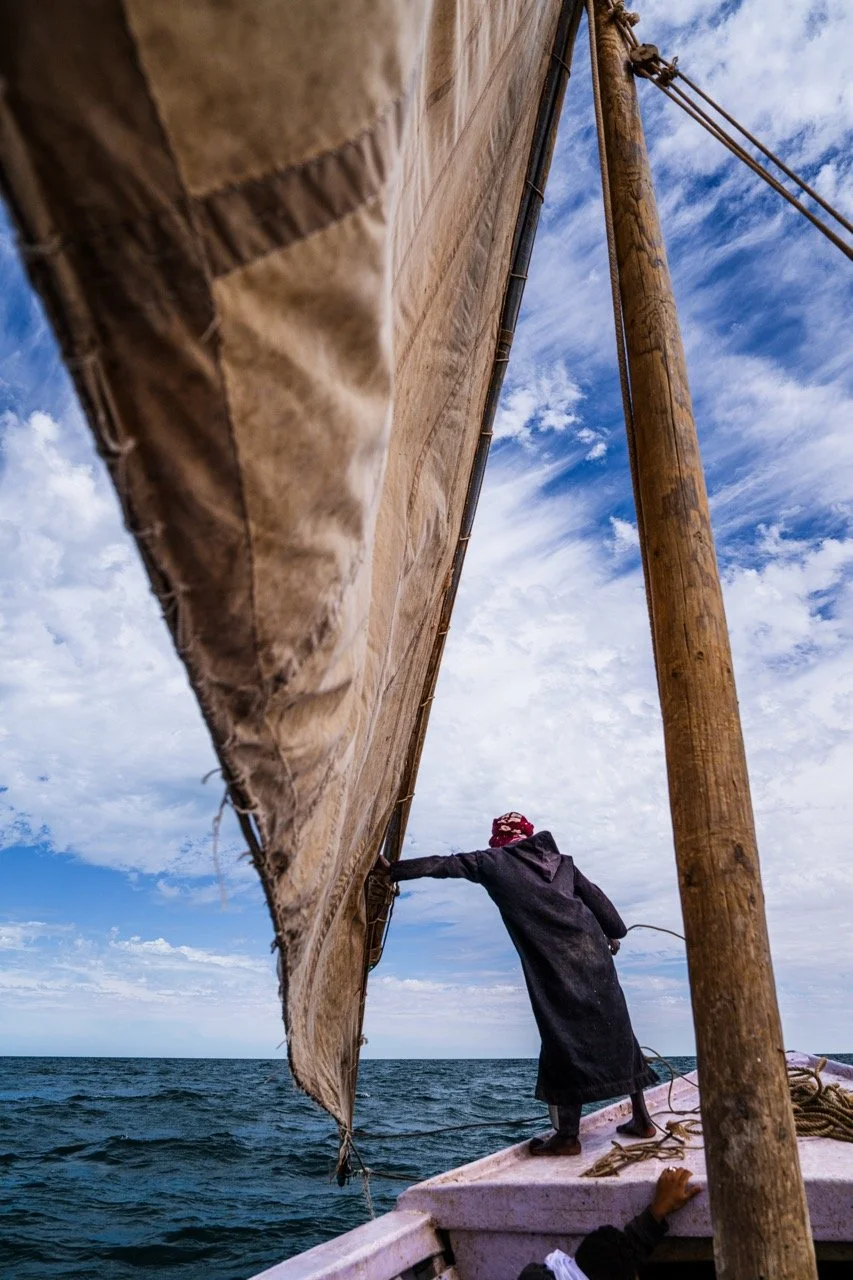
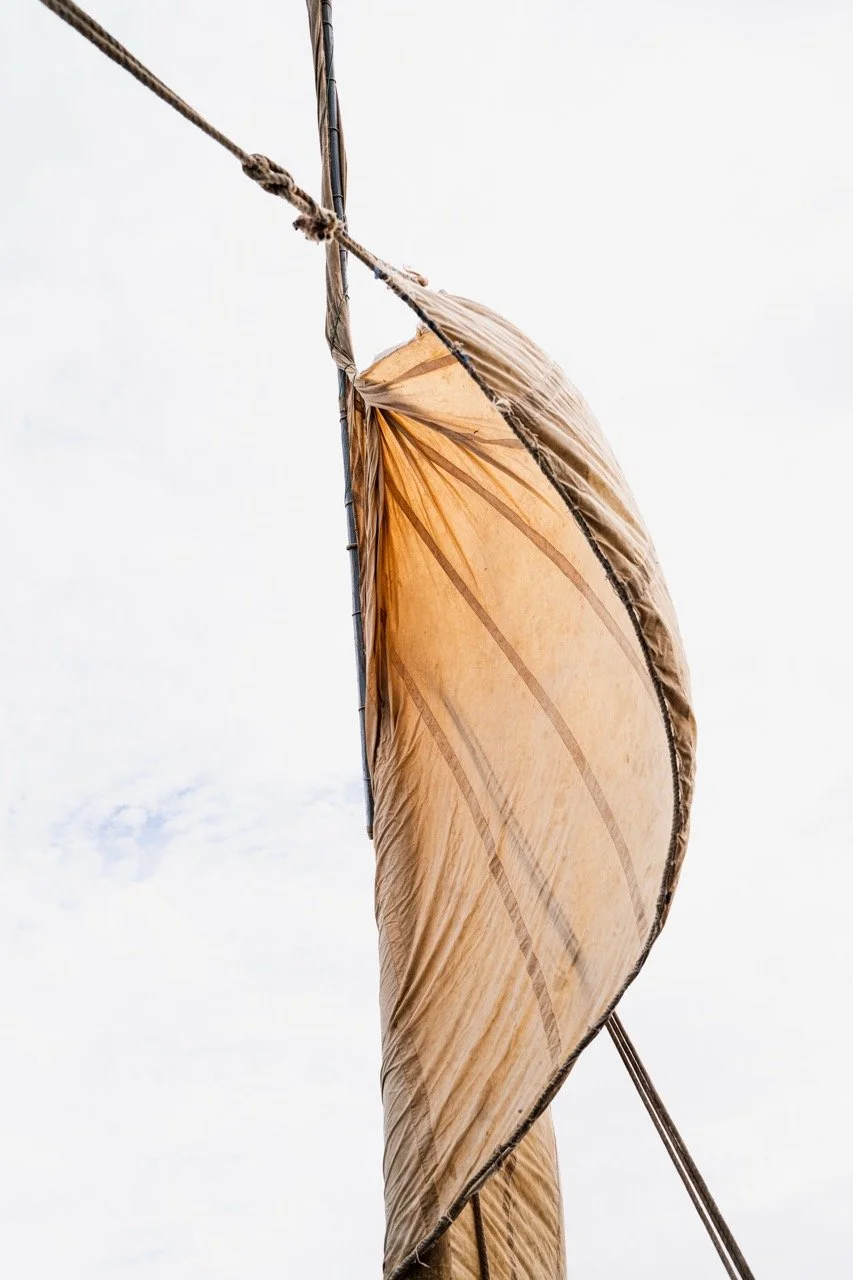
A deep sleep despite the windblown sand which slowly abates in the early hours. It remains dusky until 0700 when I clamber out of my sleeping bag, wrestle with the tent flaps (why are they always so complicated?!) and drag on some sand drenched clothes. Hot tea and eggs await courtesy of Abdul and Adama before we break camp and make our way back a few kilometres to Iwik, the fishing village we passed through the day before. We board our vessel for the morning hosted by Captain Bibi and his team - a 10m long wooden fishing pirogue reinforced w fibre glass to offer some strength and endurance over the years. Locally known as a Kanout these vessels are the go-to for the local fisherman, strong and proud with a single sail (you are only allowed to sail within the marine reserve, no engines), that power you across the ocean expanse. Rich on plankton and only 4-5m up to 40kms offshore, these waters hold bountiful supplies of fish which form one of the main industries of the region and Mauritania.
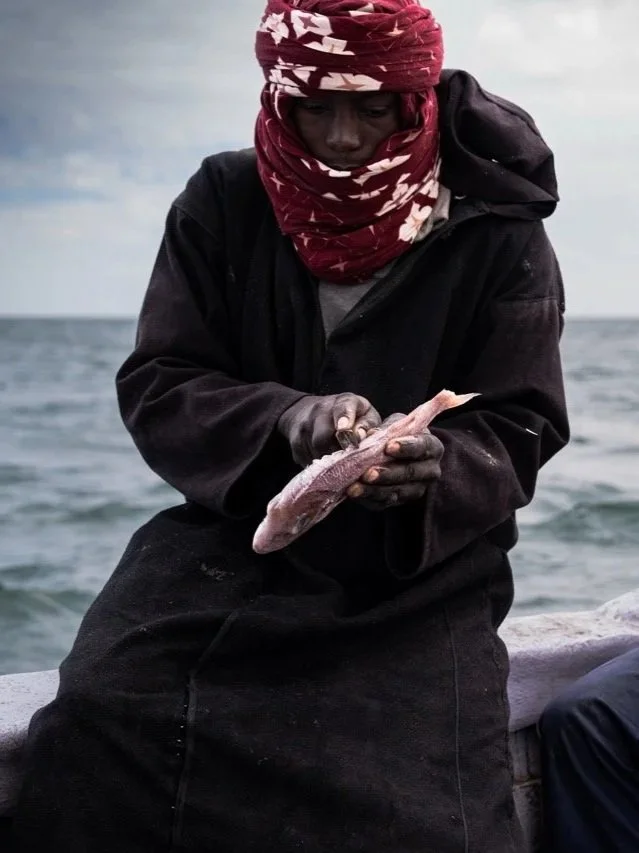
Captain Bibi’s team consists of what turns out to be his fine-tuned sailing skills, Mohammed the chef and main sail boy, and one further deckhand who we never caught the name of. They are a friendly trio, if not slightly confused by these foreigners who want to go out in a boat, not to fish or do something useful, but just purely ‘to see’. We set out across the waters to Tidra Island a kilometre or so off the coast, tacking our way across the channel, cormorants flying alongside, and the odd flying fish skimming across the waves. Our journey is accentuated by freshly caught grilled fish cooked up by Mohammed, flapping sails, and short ended conversations between locals and travellers equally intrigued. The odd lost look, shared laugh, awkward silence, part and parcel of cross-language chats.
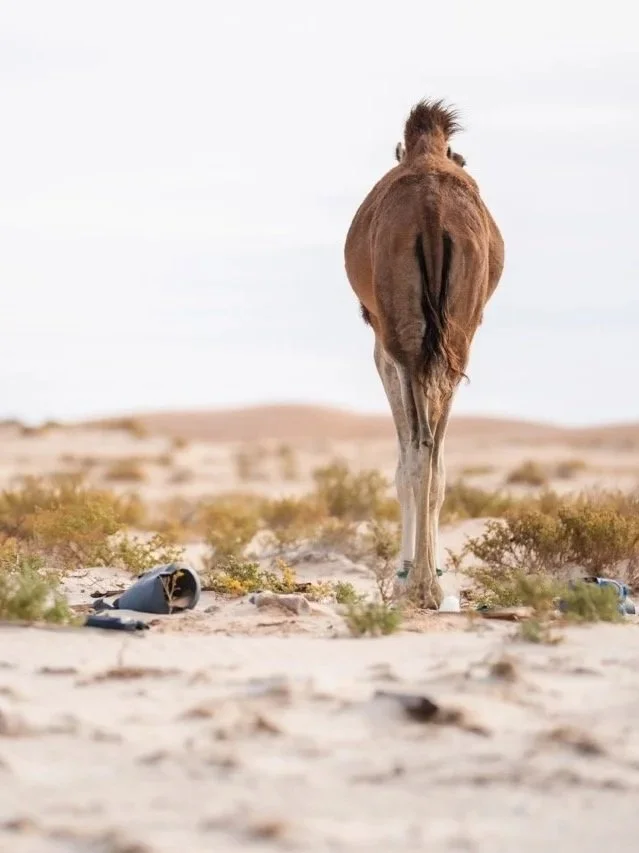
Back on dry land we head north and inland. Desert roads unmarked on any maps. Lonely camels dotting the endless desert dune scales. Suddenly a tarmac road, well, spots of tarmac, bringing us into the town of Chami where we stop for water and refuel. It’s a crazy town, bigger than you at first think, a donkey and cart slope through the fuel station forecourt a stark contrast you would never think to live. The market is full, busy with the everyday trades of life in the desert, slightly disorientating after the last 24hrs or so of solitude, the hubbub of people, cars, cattle, music. Dilapidated Mercedes taxis come and go, a local trader brings his freshly slaughtered meat to the butcher in the boot of his taxi, berating me for trying to steal a photo of his slaughtered goats slung in the back.
We push on and camp for the night, a lonely granite rock monolith looming from the sand provides the perfect shelter for our evening repose. Or so I thought, my tent fills with sand, again.
6 MARCH
————————————————————————
A morning climb up the monolith brings with it desert views, reg (scrub like desert) as far as the eye can see only dotted occasionally with the odd monolith protruding from the sand. Pushing eastwards temperatures rise as the ocean air dissipates and is replaced by a drier humidity. Sticky sand abates, replaced with hot dusty dunes. We hit the rail line that pushes south from the iron ore mine (one of the largest in the world) south and then west towards the ocean port where it is distributed throughout the globe.
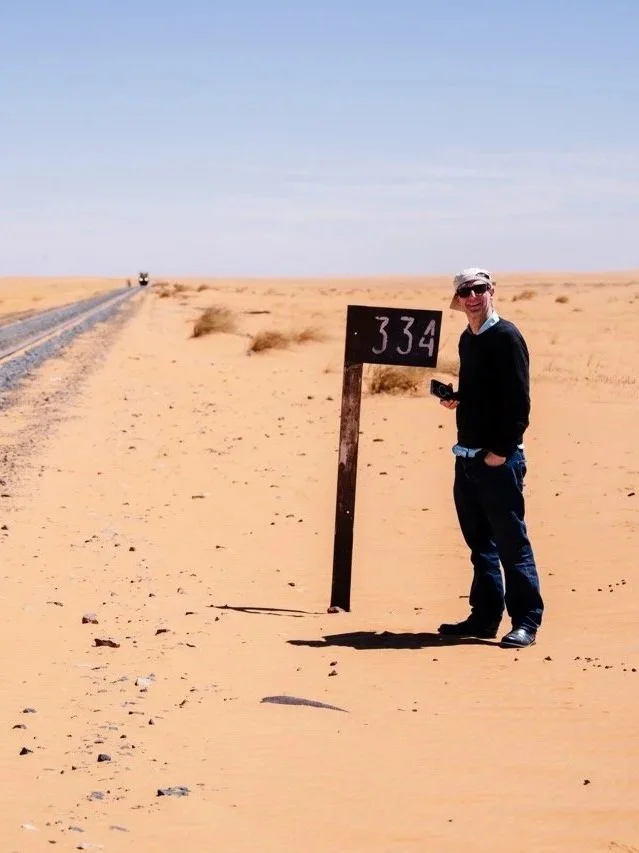
A highlight of a visit to Mauritania is this train, strange as it seems. 700kms of track, trains reaching up to 3kms in length transporting over 7 million tonnes of iron ore to the coastal port every year. Our luck is in and only a few kilometres after hitting the rail track we hear the distant rumble of a train approaching. It takes a while to reach us but when it does it literally knocks you off your feet. Not the fastest at 35kms/hr, but the sheer weight and power of this monolithic beast as it powers through the desert is earth shattering rudely breaking the desert calm. Crouched down in the sand to take ‘that shot’ the locomotive is suddenly upon us, horn blasting the hot desert sky, dust and sand mushrooming all around as the heat hits you full on. And then it keeps on going, and going, and going. 5mins of awe (quite literally 5mins of ore!) as this beast of the Sahara powers its way to the open ocean.
We crack on following old camel tracks passing through the small village of Idaha, houses half swallowed by the desert sands, a switching/passing point for the locomotives, one in one out.
‘Poches a Eau’ dot the landscapes opposite villages like deflated bouncy castles. A simple concept of huge rubber bladders that you fill w water, volumous, and when empty easy to roll up and transport (apparently very popular w the military). Lunch stop. A single hut next to the rail tracks, w a solitary bed and mattress inside for those nomads in need of a bit of a last gasp shelter. Clean and simple w a ‘bidon d’eau’ that you fill out or courtesy for the thirsty passer-by, each person passing through always to ensure it is filled; you never know, one day you could be that thirsty passer-by. We eat in the shade of metal railway sleepers drilled into the ground and slatted together to form a Mad Max roof and shelter. A weird and wonderful setting for some food and a welcome break from the bouncing road and the desert sun.
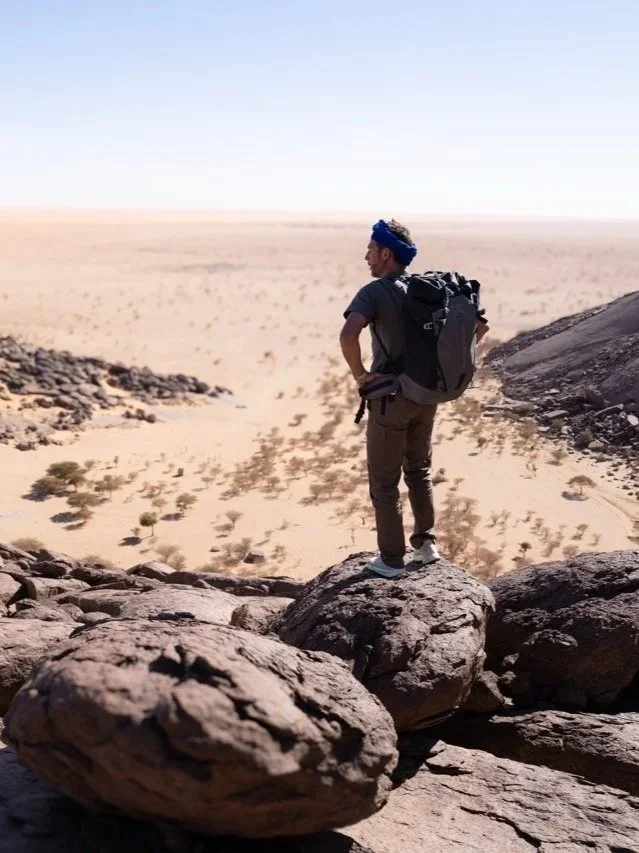
Eastwards we go, and to Ben Amera, looming in the distance, an ancient rock monolith rising up from the desert floor to 650m of sheer black granite. We find shelter in the foothills where we prep for our summit bid. It’s the hottest it’s been so far which soon becomes apparent. The hot slab granite is grippier than we expect as we make our way vertically thru flakes of crumbling granite, open sheer faces w the desert floor below, through crumbling gullies and eventually to the top. The summit delivers. 360 degree of desert views, the plains dotted w granite outcrops, baby dunes forming in their naissance below. A pause, a slice of orange, reflection, and back to Camp. We sleep well tonight in the shadow of our monolith mountain, legs tired, minds content.
7 MARCH
————————————————————————
I like waking in the desert, there’s really no noise, the occasional distant rumble as the iron ore beast snakes its way across the desert, but otherwise it’s quiet. I like the sound of the Camp waking, slow movement, a tent zip being undone, the kitchen coming to life. Breakfast, hot tea, a walk thru the dunes our now morning ritual, and then eastwards to Choum, where we part ways with the railroad as it heads north and we continue on to Chinguetti and beyond.
Chinguetti is an oasis, a real life oasis, not just a water source as us in the western world know it, but a trading post, a meeting of minds, a staging point for nomadic caravans, a hub of life, and that’s exactly what Chinguetti is.
The cultural hub of Mauritania, Chinguetti is the 7th most important Muslim city of the world, established in 777AD and becoming the first Muslim settlement with the first established library in 1200AD; these libraries are now essential to the history of Islam and the Muslim world. Chinguetti these days is under threat, not from political foes or the modern world, but from the natural world and advancing dunes.
The oasis is slowly being swallowed up by dunes encroaching from the north east - north east being the prevailing winds which blow through the Sahara desert often from September through to June.
A gentle afternoon with a stroll on the approaching dunes before a camel stew dinner at our local auberge. A welcome affair run by a lovely elderly French lady, the property scented by a grapefruit tree in the central courtyard, with rooms dotted round the outside, hot water and flush toilets. A simple treat after the last few days.
8 MARCH
————————————————————————
Libraries. Maybe a strange thing to be renowned for but that’s Chinguetti’s ‘thing’. 12 libraries in fact, of which I am probably not going to do them any justice at all. As the 7th most important town of Islam these libraries contain ancient manuscripts going back to the 12th Century. We visit two of the libraries, talked through some prize scripts, unable to be touched these days and often replicated for the everyday viewer. The pride and joy of the families that have protected these scripts often for multiple generations is clear to see. It springs to mind that these families are much like blacksmiths or other crafts people skilled in their trade, passing on their skillset from generation to generation.
We back track 40kms along the tarmac before turning to dirt road once again and heading south, coming to the end of our time in the Sahara, but not without one last desert blast which will come tonight. We cut off the dirt and wind down the dunes into Terjit an oasis village set to date palms and a huge granite gully towering above us. We leave the cars and walk along a sandy village footpath, greenery all around, date palms towering over us, a small stream winding its way down the valley floor. A few tents scattered along the edge of the gully, and a fresh pool of crystal clear water. We can’t miss the opportunity so strip down to our shorts and all jump in. After the heat of the desert this unsuspected cooling off is welcome, dipping our heads into the gentle waterfall, floating whilst looking up through the date palms to the open blue sky above.
With our swim done, we drip dry in the shafts of sunlight breaking through the date palm canopy, the warmth of the sun welcome on our sun-bleached skin. Then, lunch. Abdul and Adama never missing a beat, have set us up a fresh salad and sardine spread followed by hot sweet mint tea. Bellies full, and in the welcome shade we drift in slumber before the car beckons once more and make our way back out into the desert from the welcome watery embrace of the oasis of Terjit.
A long sandy run, deeply rutted, puts our Hilux to the test. The valley track takes us deeper into the White Sand Valley, a lighter shade of desert than we have encountered to date. A limestone stalagtight cave holds our attention briefly, before climbing steeply up from the valley floor and onto the ridge line above. Camp is made, fish kebabs are grilled on the open firepit, and sleep is welcome…but not as fast coming as hoped. The wind picks up, the tent flaps and strains, a tiny gecko seeks shelter on the flip side of my tents netting, sand whips in under the fly sheet and I eventually drift off to Lawrence of Arabia thoughts in my head…
9 MARCH
————————————————————————
We break camp and set off on foot making our way down off the ridgeline and into the White Sand Valley (Vallée Blanche) below. Empty aside from a few dotted huts, the dunes belie a sense of loneliness and magic all at once. We chat, we sit, we walk, we wonder from one dune to the next… We find our cars in the valley below, a small group of women gathered around selling their wares, bracelets, rings, small boxes made from goatskin, prayer beads and mint tea glasses…
An afternoon of A-B moving from the Sahara to the Sahel region of the country, so a few thoughts, facts, tips and tricks in the meantime…
⁃ always walk on the ridges of sand dunes
⁃ Mercedes 190 Diesel is car of choice due to no electronics
⁃ Barkhanes are fast moving dunes and start of larger dunes to come
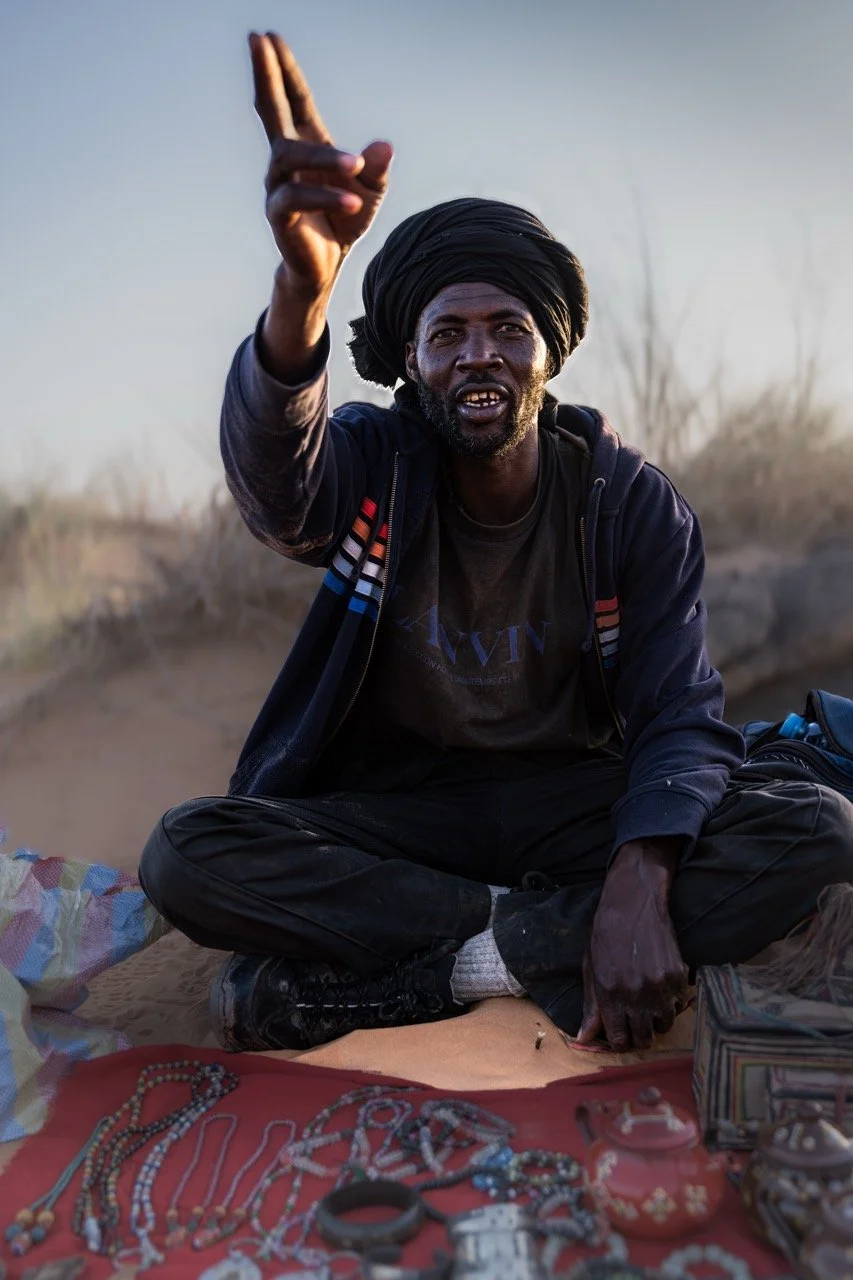
⁃ wherever you Camp local traders will find you. The lovely Mohammed found us on the ridgeline above the Vallée Blanche miles from anywhere. Desrt black skin, a huge smile, a black turban, and a carpet full of local treats and merchandise galore.
⁃ Follow the camel poo, it’s always the best route
⁃ Oasis - a permanent water source and trading post and has a small community as well
⁃ Guelta - a pool of water that can evaporate. Some may occasionally have a permanent spring/water source
⁃ Ouadi - seasonal river
⁃ Bahr - permanent river
⁃ Only 17-20% of the Sahara is made up of sand, the rest is made up of mountains and reg.
Tonight we camp at Wadi near Rashid Village. Criss crossing the ruins of a village from the 13th century. Food, tent, sleep.
9 MARCH
————————————————————————
We break camp and set off on foot making our way down off the ridgeline and into the White Sand Valley (Vallée Blanche) below. Empty aside from a few dotted huts, the dunes belie a sense of loneliness and magic all at once. We chat, we sit, we walk, we wonder from one dune to the next… We find our cars in the valley below, a small group of women gathered around selling their wares, bracelets, rings, small boxes made from goatskin, prayer beads and mint tea glasses…
An afternoon of A-B moving from the Sahara to the Sahel region of the country, so a few thoughts, facts, tips and tricks in the meantime…
⁃ always walk on the ridges of sand dunes
⁃ Mercedes 190 Diesel is car of choice due to no electronics
⁃ Barkhanes are fast moving dunes and start of larger dunes to come
⁃ wherever you Camp local traders will find you. The lovely Mohammed found us on the ridgeline above the Vallée Blanche miles from anywhere. Desrt black skin, a huge smile, a black turban, and a carpet full of local treats and merchandise galore.
⁃ Follow the camel poo, it’s always the best route
⁃ Oasis - a permanent water source and trading post and has a small community as well
⁃ Guelta - a pool of water that can evaporate. Some may occasionally have a permanent spring/water source
⁃ Ouadi - seasonal river
⁃ Bahr - permanent river
⁃ Only 17-20% of the Sahara is made up of sand, the rest is made up of mountains and reg.
Tonight we camp at Wadi near Rashid Village. Criss crossing the ruins of a village from the 13th century. Food, tent, sleep.
10 MARCH
————————————————————————
I wake early this morning. 0430hrs and I listen to the Wadi coming to life as I watch the stars through the tent flap slowly turning to daylight… A morning walk back to the village, salutations with the local villagers along the way. A quick call to the office, a gulp of water, onwards to the Guelta of Matmata and its last surviving crocodilian inhabitants. Thought to be 44 individual crocodiles living within the Matmata Guelta and surrounding waters. This is a species known as Crocodylus Suchus.
‘Matmata: A Hidden Sanctuary
Tucked within the rugged cliffs of the Tagant Plateau lies the Guelta of Matmata, a secluded oasis that is a remnant from another era. This natural basin, carved into sandstone by centuries of water flow, is more than just a pool in the desert—it is a refuge, a vital source of life in one of the most unforgiving landscapes on Earth.
This is a hard raw country. Major towns are often not more than large trading posts (Chinguetti for example has a population of only 60,000), fruit and veg brought in from the surrounds, meat culled and bought in in the back of taxis. Matmata - of which I’ve been in anticipation of all day - we pass thru in a matter of minutes, whereas Mbeika a town we pass thru earlier today is a hubbub of trade and commerce, but still with only a small and track running thru the centre w large artic lorries parked up half blocking the thru route as the drivers pause for a breath or a snack for lunch before they push on north out of the Sahel and into the Sahara…
Passing past pre-Islam (pre 777AD) tombs. Out of respect these tombs are never touched so have not been touched in hundreds of years. Temperatures rise to late 30C…as we move further into the central Sahel region. We’ve climbed higher onto a wadi that runs dry in the summer heat and find our camping spot for the night on the soft sand river bed. It’s amazing with these camp spots, they look like nothing until you have everything set up and then all of a sudden it looks just like home.
It’s already late in the day so without further ado we set off the Matmata Guelta, just a short 10min walk away. It’s better than expected as we climb a dune and look down into this hollowed out bowl of a Guelta maybe half a mile wide, and spotting the banks are the reptilian figures of some of the last remaining West Saharan crocodiles (or corcodylus socus). Reaching up to 3m above in length or so, we see one big guy resting on the sandy shores, and other heads and ridge like backbones breaking the surface of the water dotted throughout the guelta almost waiting for some poor unsuspecting prey to tumble form the surrounding basalt walls. With only 44 of these individuals left in Mauritania and 3 (it was 4 individuals 18 months ago), left in Tchad, this is a rare treat to enjoy.
It’s almost spontaneous random treats such as this that Mauritania throws out you as this journey unravels; it’s kind of a natural progression as we make our way over the last 10 days or so from ocean and desert coastline, to granite rock monoliths, the world’s longest train, the 7th most important city of Islam (Chinguetti), and now these rare crocodiles hidden from the vast majority of the world and maybe even unknown to some of the local population.
One more amazing thing about these crocs is due to their remote location, prey is often hard to come by, so they manage to put themselves in an almost state or hibernation, slowing their system down until times are a more plentiful. Our last camp, our last night under the desert/Sahel skies, sleep, and rest.
11 MARCH
————————————————————————
We push hard today, we have 500kms to cover and the day to do it, a journey all the way back to our beginning and the coastal capital of Nouakchott. The first 1.5hrs or so is back across rocky desert track, bouncing around shaken until we’re ready for tarmac, and it arrives none too soon. We push on making steady progress throughout the day, passing multiple check points due to our direction of origin being from the Mali border. Arriving in Nouakchott towards 1700hrs an ocean breeze blows, the hot Sahel heat abates, and…we have our first hot shower in quite some time.
12 MARCH
————————————————————————
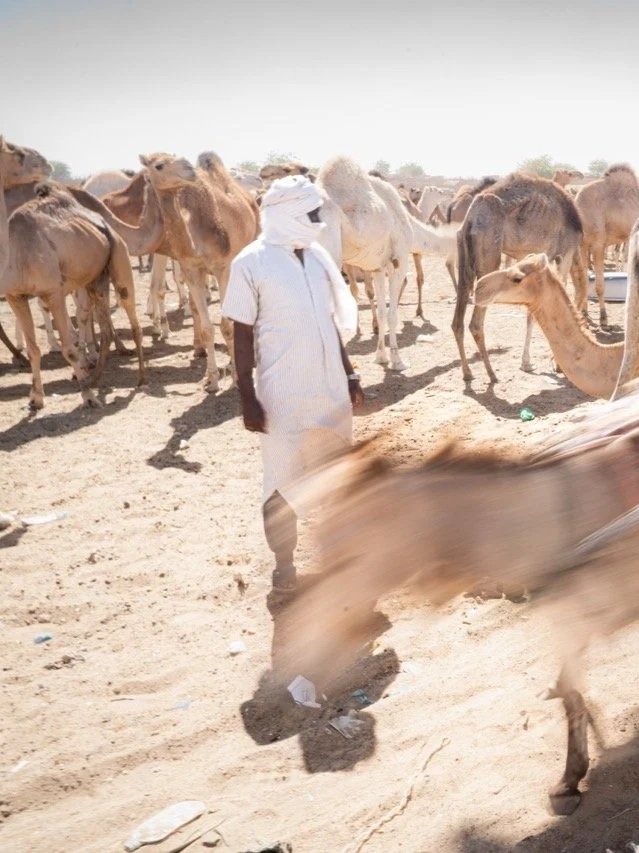
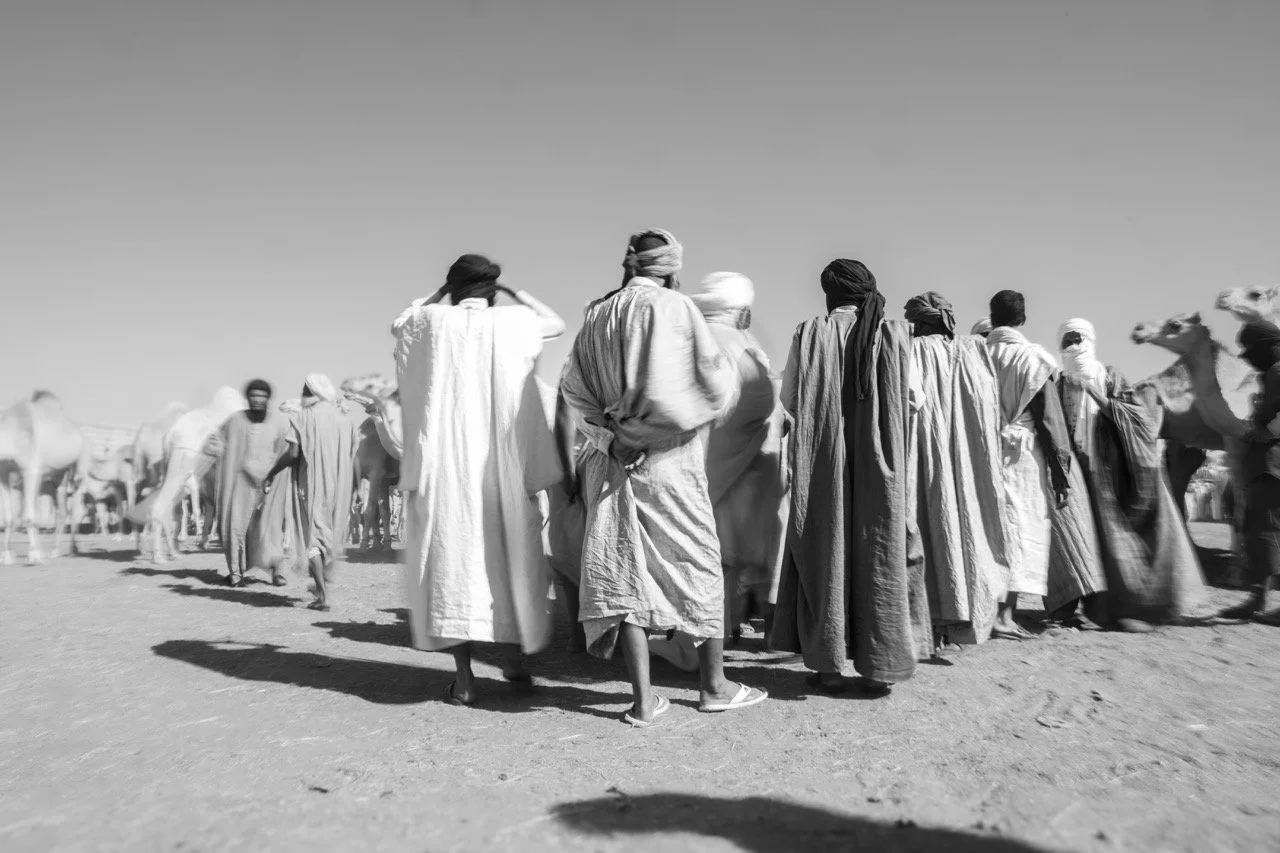
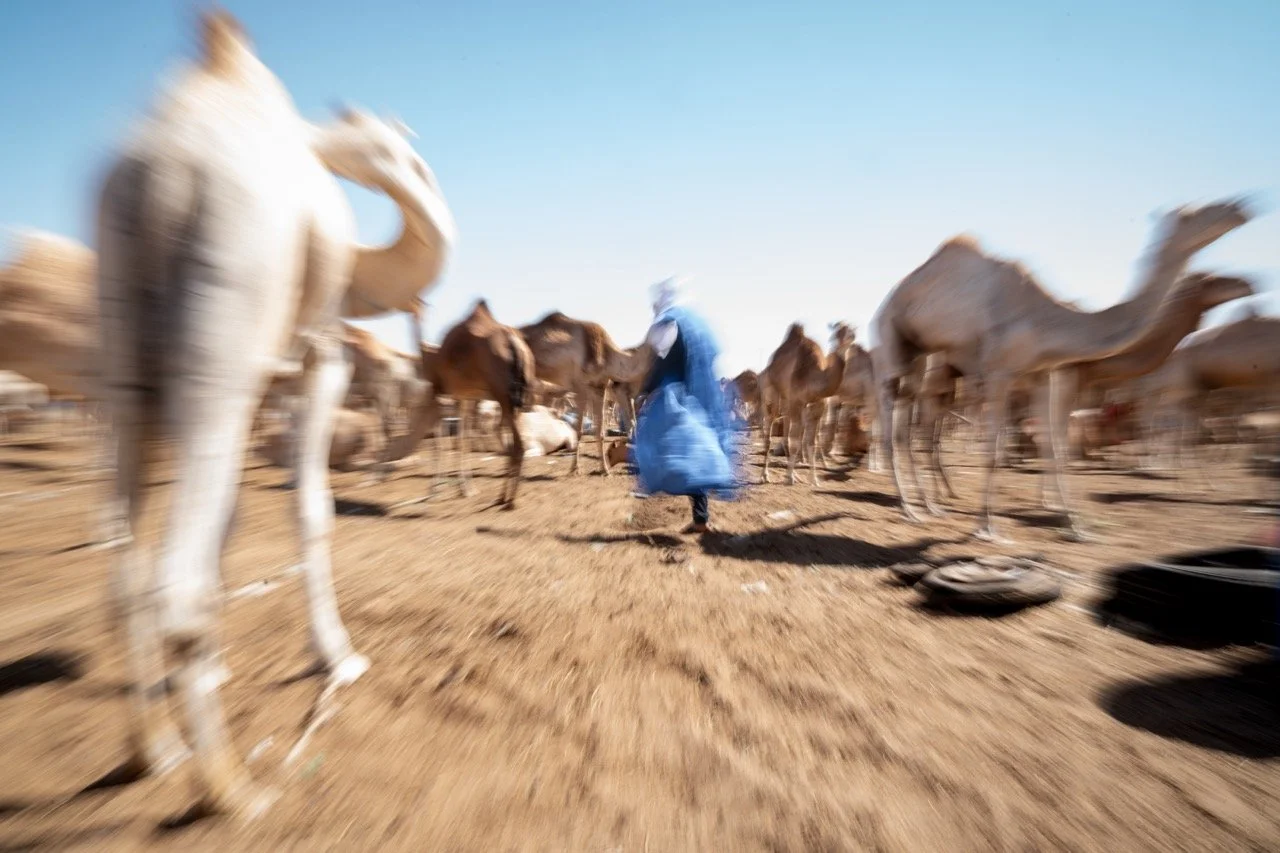
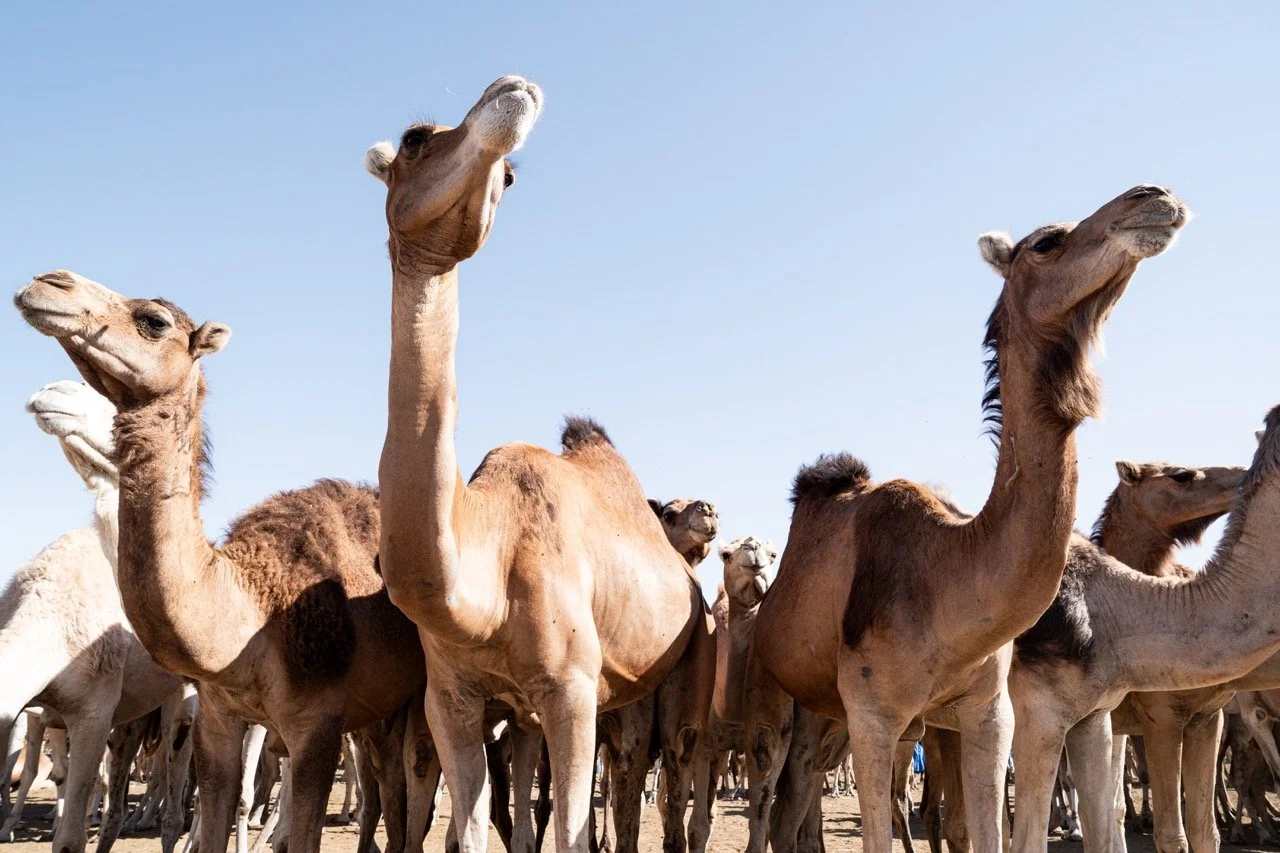
It’s the day of markets today. We drive 30mins or so back out onto the fringes of the city that we passed through yesterday as we came into town, where we explore the camel market, one of the biggest of the region with 1,500+ camels. It’s an amazing site, a bit like ‘speed bump city’ with these shaggy beasts, long necked and jittery being nudged around the dusty desert market. Some are penned in, some with their feet roped together, sellers huddle with potential buyers, their pale blue jellabas, conspicuous amongst the sea of beige. It’s a quieter fare than I had expected, quite civil to a certain degree, camel doctors administering medicine, a camel barber put to work on the dusty market floor. A decent camel goes for the price of maybe 1,000 Euros, but will last a good 25 years if looked after…
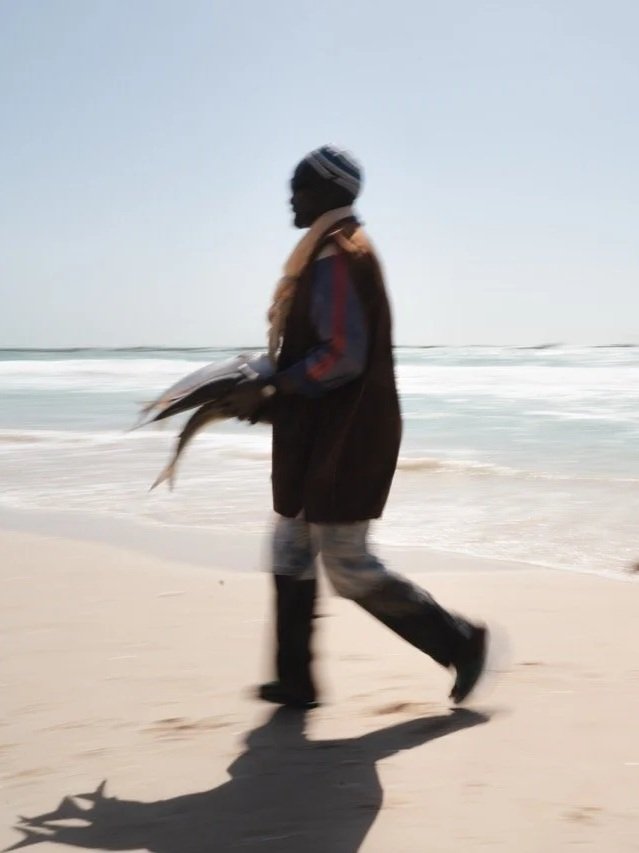
This afternoon we make our way back to where the ocean meets the Sahel, and the fish market. Blown away by what I saw, not a few boats bringing in their haul but hundreds. The large boats sit offshore whilst smaller ones shuttle to and fro bringing in their catch, through the crashing waves, some boats being capsized by the breaking surf. For those that make it to land, a team jumps out to haul the boat to relative safety as others drag off huge white sacks filled with their fresh catch, dragged up the beach to their delivery or into the hawkers and undercover market up the beach shore.
The sights, the smells, the noises, the camaraderie, the hot salt air, the shouts and cries, a capsized boat, everyone rushes out to help the sea-soaked sailors, or that’s what I think, but no, they run for the freshly spilled catch, grabbing what they can, and slugging their way back to shore through the hip high surf.
The traders’ market under a corrugated roof is wet and full of fish, chopping fish heads, fresh fish on display, a fight breaks out between two traders, others sit lazy in the sun.
And so it ends, our desert foray, on the ocean beaches where the desert meets the sand. Mauritania has it all, but it’s a journey to live, rather than a destination to visit. Welcoming, friendly, diverse and surprising. One to explore and one to come back to…